
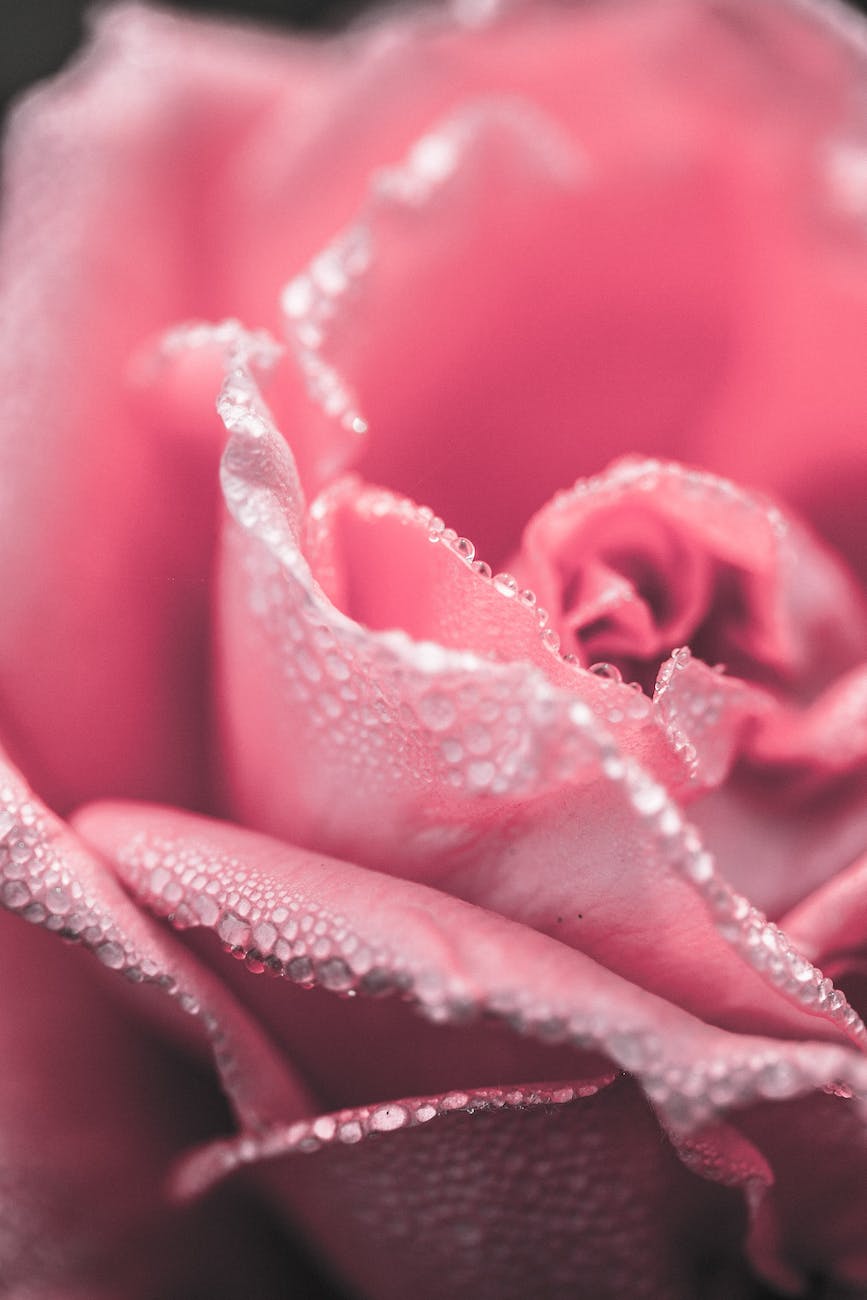
It’s not just about pink and blue anymore … there’s a whole rainbow out there, but it’s still very much embedded in our consciousness, pink is for girls and blue is for boys. When we speak about important issues there is a bias consciousness too that creeps in and it’s the pink, blue thing all over again. Can we reduce ourselves any further?
I think we need to identify what is the real issue here. Where did the pink and blue thinking originate from, and why?
Well, it all started in the 19th century when pastel colours became popular for babies complimenting hair and eye colours. Blue was meant to go with blue eyes and/or blonde hair, and pink for brown eyes and/or brown hair. So, blue was assigned to girls because it was seen as a gentle colour, whereas pink was seen as a stronger colour, red being at the other end of the spectrum, was assigned to boys. Before pastels, babies and children wore white, because it was practical in the sense you could throw it in the wash with bleach and maintain its pristine look.
Then World War II came and went, and the 1940s saw girls being drawn to the colour pink because it was closer to red, and seen as a romantic colour. Women ditched the overalls from working in the factories and set their sights on a husband, home and a family, with the white picket fence. Remember the red lipsticks and the old movies? And, Christian Dior’s beautiful gowns with umpteen petticoats resembling rose petals of a flower, revolutionising a new look from the restricted styles of the war years due to fabric shortages. Dior and the flower- women silhouettes were soft and feminine and established Paris as the fashion house capital. Dior designs were inspired by his passion for gardening, roses in particular, and the colour pink for its infinite colour variation. The post war years were clearly a very idealistic time after so much heartache and grief, and pink played its part well.
But by the 1960’s, the women’s liberation movement rebelled against social norm and threw gendered colours out the window, along with the billowing dresses. Ouch! Rather harsh but fashion stayed instep with the movement. Coco Channel was back in vogue and her boxy suits and little black dresses saw the end of the flower period for women, and more neutral colours were introduced. Plus, the contraceptive pill became widely available and changed the course for women, forever. Freedom and reproductive autonomy meant they had choices in regards to career and motherhood.
However, everything reverses back again in the 1980s to the old gender pink and blue. Why? Well, prenatal testing led parents to pre-planning for their babies and retailers jumped on board with the idea and marketed to tailor gender specific, male and female, pink and blue. It was a financial, profit making exercise. The necessity to have assigned gendered colours became part of our consciousness to have order and control. You can blame science if you like? In fact, contraception, IVF and prenatal testing were the three big game changers for women, and where would we be today without them?
The pink and blue gendered consciousness is not going away anytime soon. Even now 2023, we still have strong pink connections to women like breast cancer awareness. It looks like we truely own the pink now whether we like it or not?. And, our men support the cause too by wearing pink jerseys on football and cricket fields, and have contributed greatly in making the breast cancer campaign a huge success. So, pink, again, has served us well and become a real power player, literally!
Remember, pink was seen as the stronger colour and was initially assigned to boys not girls. Dior, a man, basically gave women the pink after the war, only to see it cast aside for the feminist movement, and then reclaimed later for practical reasons. It seems the pink issue belonged solely with women. Men just went with the flow. What does that say? Well, you may say men influenced our fashion choices, we wanted to be desired and romantic and when we didn’t want to be seen just that way, we made a fuss about it, and burnt our bras and turned our back on pink. Did women surrender power by aligning to the colour pink, or, just had a change of mind? We bought everything at the time. It was what we wanted, right?
Maybe we need to reconsider our own biases first and see how changeability on issues and priorities have consequences, good, and not so good. We got the pink after all. In todays climate post #MeToo, women have the power in getting what they want, more now than ever before, so we better consider the next steps carefully. It’s our men and boys, sons and grandsons that will be effected, and that’s going to hurt if it’s one of our own falls victim to a bias consciousness. For example, in domestic violent situations. See just what happened with the colour pink?? By the way, pink and blue makes purple and that’s the chosen colour to symbolise domestic violence awareness. Sounds fair … fifty, fifty? But it depends on the mix, right?
 even-stevens