
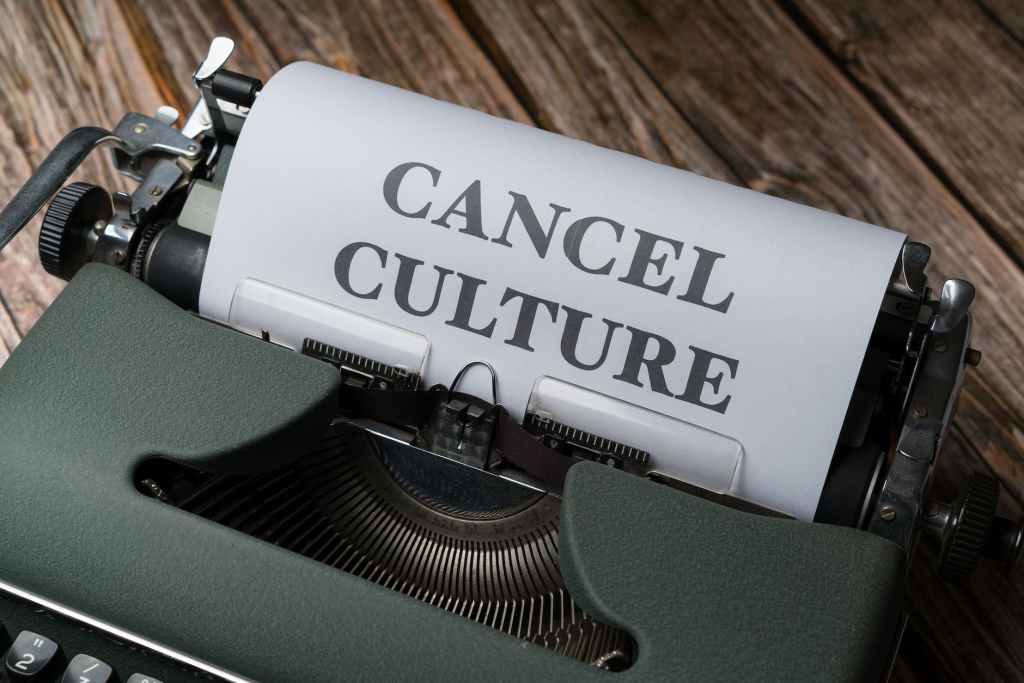
The phrase “cancel culture” has been all over the internet lately, especially on platforms like Twitter, Instagram, and Facebook. It’s about cutting ties with public figures or celebs who are thought to have done things that are just not okay. When someone gets “cancelled,” it usually involves calling them out publicly and can really mess up their life.
The impact of cancel culture on a person’s reputation can be very upsetting and have long-term effects. It’s unfair that even if someone is innocent, they can face unfair criticism and consequences because of public judgment without the full story being known. It’s sad to see people being unfairly judged and facing the ongoing effects of cancel culture, especially since apologising and taking back statements may not fully help. Social media and the Internet make it possible for damaging accusations to continue, which takes a toll on a person emotionally and professionally. This shows that the effects of cancel culture go beyond the immediate moment and affect a person’s personal and professional life in significant ways.
The main problem with cancel culture is that it acts like we’re all perfect. But let’s face it, we all mess up. We’ve all said or done things that could get us cancelled, right? This whole cancel culture thing, especially on social media, tends to forget that we’re all just human and we make mistakes. Instead of giving people a chance to learn and grow, it’s all about jumping to conclusions and shutting down any different opinions.
The main goal of cancel culture is widely debated. Some say it helps less powerful people speak up and start important conversations. Supporters believe it holds others accountable when the justice system doesn’t. They think canceling is a strong way to make social changes and hold people responsible for what they say and do.
However, critics of cancel culture argue that it can lead to an environment of fear and censorship, where individuals are hesitant to express differing opinions, for fear of being “cancelled” themselves. This has sparked discussions about whether cancel culture promotes healthy discourse or hinders it.
The reality is that the impact of cancel culture is complex and multifaceted, and the debate continues as to whether its benefits outweigh its potential drawbacks. As society continues to grapple with issues of accountability, free speech, and social justice, the conversation surrounding cancel culture remains a topic of great significance.
We live in a diverse world and maybe we should embrace our imperfections and learn from each other. Cancel culture divides us and prevents real conversations. It’s time to find better ways to hold people accountable while remembering we are all works in progress.
Opinions of others below on the subject, even the pope has something to say on the matter. What’s yours?
This idea of purity, and you’re never compromised, and you’re politically woke, and all that stuff — you should get over that quickly. . . . The world is messy. There are ambiguities. People who do really good stuff have flaws.
President Obama
I think cancel culture is the stupidest thing I have ever seen happen. I think when people say things that they feel and mean, and it’s offensive to you, it’s a brilliant opportunity for everyone to learn and grow and understand each other. We all come from different ages, different cultures, different backgrounds, different things, and have had different experiences, different traumas, different upbringings, different parents, different religious backgrounds, different everything. Give people an opportunity to discuss things before you wipe out their entire person over a statement or a comment or a misunderstanding.
Sharon Stone - (American Actress)
Cancel culture is not actually about justice. It is about control. People use cancellation to force conformity to ideals.
Teal swan – (American author and spiritual influencer)
Under the guise of defending diversity, it ends up cancelling all sense of identity, with the risk of silencing positions that defend a respectful and balanced understanding of various sensibilities. A kind of dangerous ‘one-track thinking’ [pensée unique] is taking shape, one constrained to deny history or, worse yet, to rewrite it in terms of present-day categories, whereas any historical situation must be interpreted in the light of a hermeneutics of that particular time, not that of today
Pope Francis
I think cancel culture is creating more problems than it solves. It’s like trolling. It’s like a giant mile-long net and you’re catching a lot of people, many of them deserve it and a few of them, more than a few, who don’t. Or they don’t’ deserve to have their careers and their lives destroyed.
Alec Balwin – (American Actor)
 even-stevens