
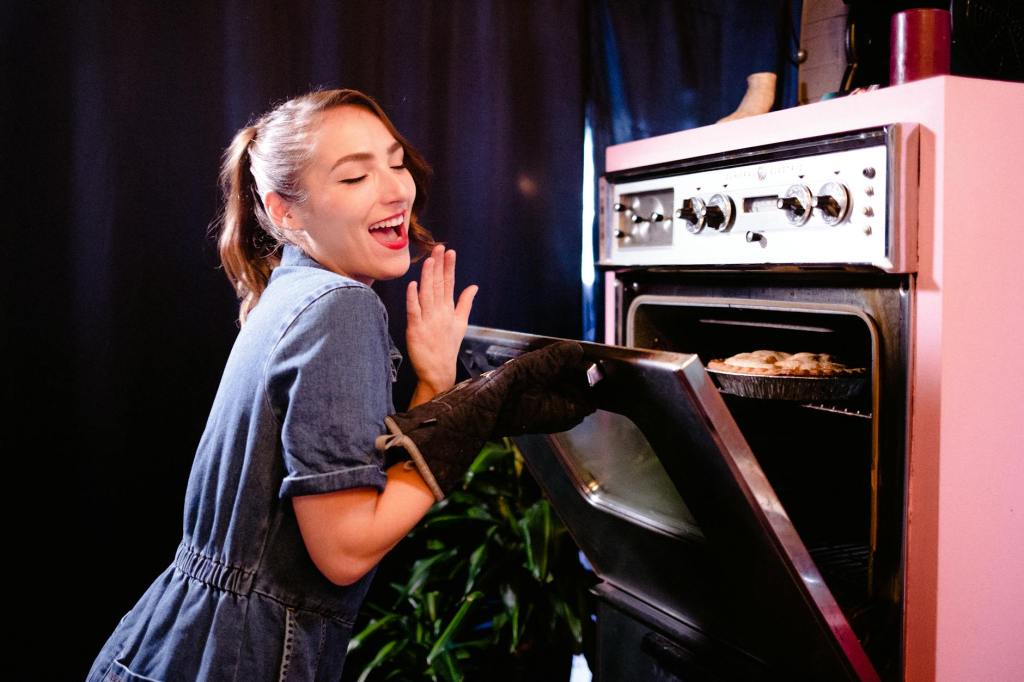
I read an article on the weekend in The Australian by Virginia Tapscott about the concerns around ‘Tradwife’ bashing. Tradwife is a term used to describe women who adhere to traditional gender roles within marriage and family life, often emphasising homemaking and child-rearing. The article sparked a bone of contention with feminists expressing concern that such choices perpetuate outdated stereotypes and limit women’s opportunities for personal and professional fulfillment. They argue that the efforts of earlier generations to expand women’s rights and opportunities are at risk of being undermined by this return to traditional roles. The controversy has reignited discussions about the complexities of gender roles in modern society, with some arguing for the importance of individual choice and empowerment, while others fear a potential regression in the overall progress of the women’s movement and possible victimhood.
Admittedly, Tradwife has been glamourised on social media and for some, it’s a lucrative business that also gives rise to criticism. But, it’s important to consider how Tradwives differ from career-driven women as they navigate their daily lives, especially when they have children. The societal expectations and pressures placed on Tradwives and career women can offer unique challenges and rewards, shaping their experiences in distinct ways. While Tradwives focus on traditional homemaking roles, career women often balance demanding professional responsibilities with family commitments, creating a different set of stressors and accomplishments. Both paths involve important choices and sacrifices, and it’s crucial to recognise and respect the diverse ways individuals choose to navigate their personal and professional lives.
Sometimes, women are pitted against each other when it comes to making choices about their lifestyles. There are a lot of preconceived ideas out there about stay-at-home mums, often modelling them on the 1950s housewife archetype, which suggests limited choices and dependence on their husbands, effectively being in their service along with child rearing. This portrayal doesn’t paint a great picture, but it’s important to recognise that women today are consciously choosing to stay at home because times have changed. In today’s society, women are more empowered than ever before and are wise enough to make their own decisions, and are fully capable of getting out if they want to, so, let’s not place them in the same box that they are victims and can’t champion for themselves.
The women who choose to be a stay at home housewife feel stuck in a society that often undervalues their role, just like the women who decide to go back to work and feel stuck in the pressure to juggle career and family. This societal pressure sometimes leads to self-doubt and the feeling that whatever choice was made, it wasn’t a good fit. That’s why we have to make our own choices based on our own values and aspirations, not succumbing to the expectations or judgments of others. It’s crucial to embrace the diversity of experiences and support each other in the various paths we choose, recognising that there is no one-size-fits-all when it comes to balancing personal and professional aspirations.
I was a working mum, juggling a career and the demands of motherhood, while my daughter decided to take a different path and become a stay-at-home mum whilst furthering her own business to supplement the family income. It’s fascinating how family dynamics and choices evolve across generations, and it truly feels like everything is cyclic, with each generation finding their own balance between work and home life.
The tradwife episode just proves that some women will stop at nothing to find novel ways to tear down mothers who work inside the home. We continue to be our own worst enemy.
Virginia Tapscott (The Australian)
What do you think? Has Virginia hit it on the head … are women their own worst enemy? If we are, can we support other women in their diverse choices?
 even-stevens